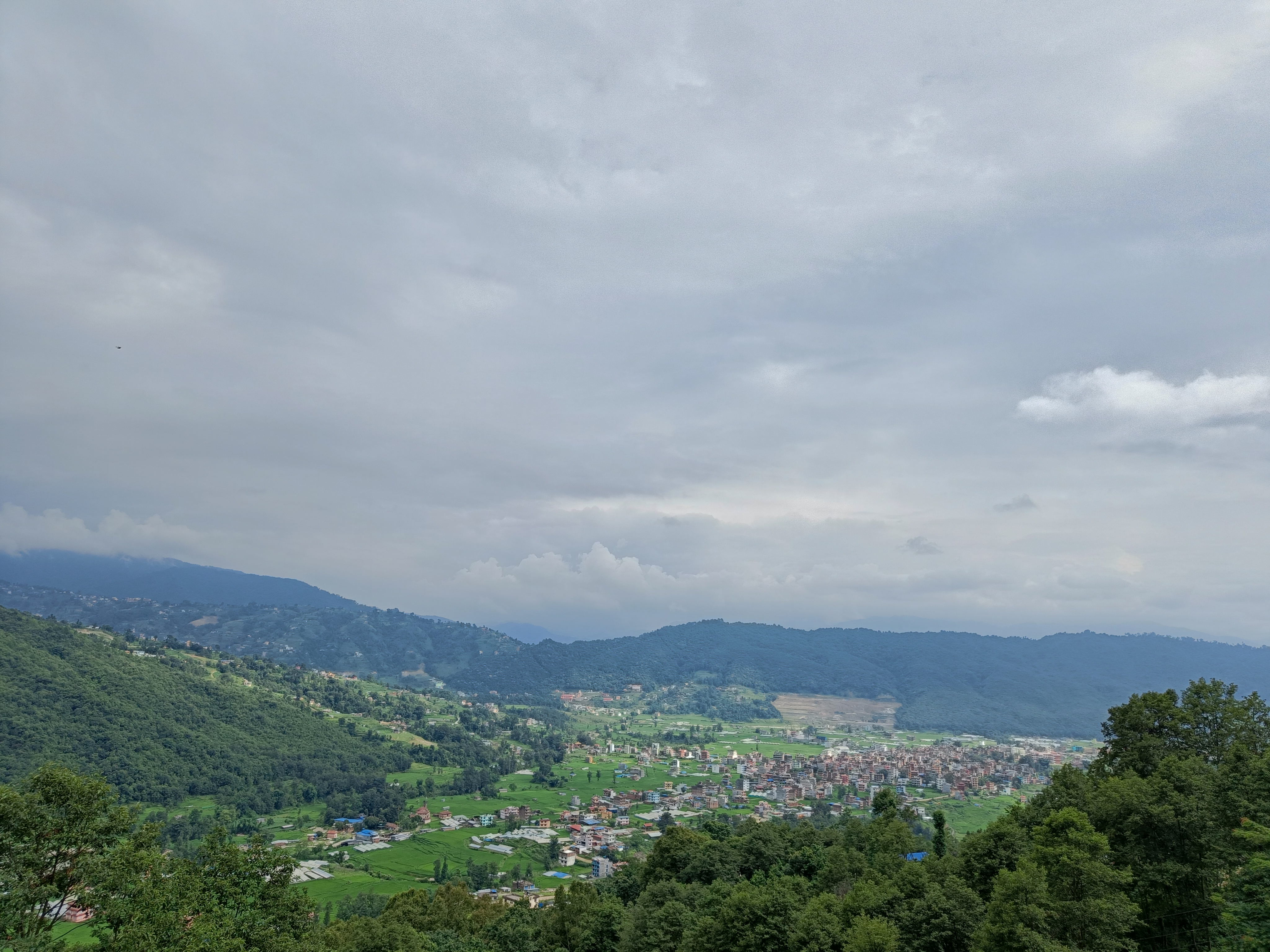
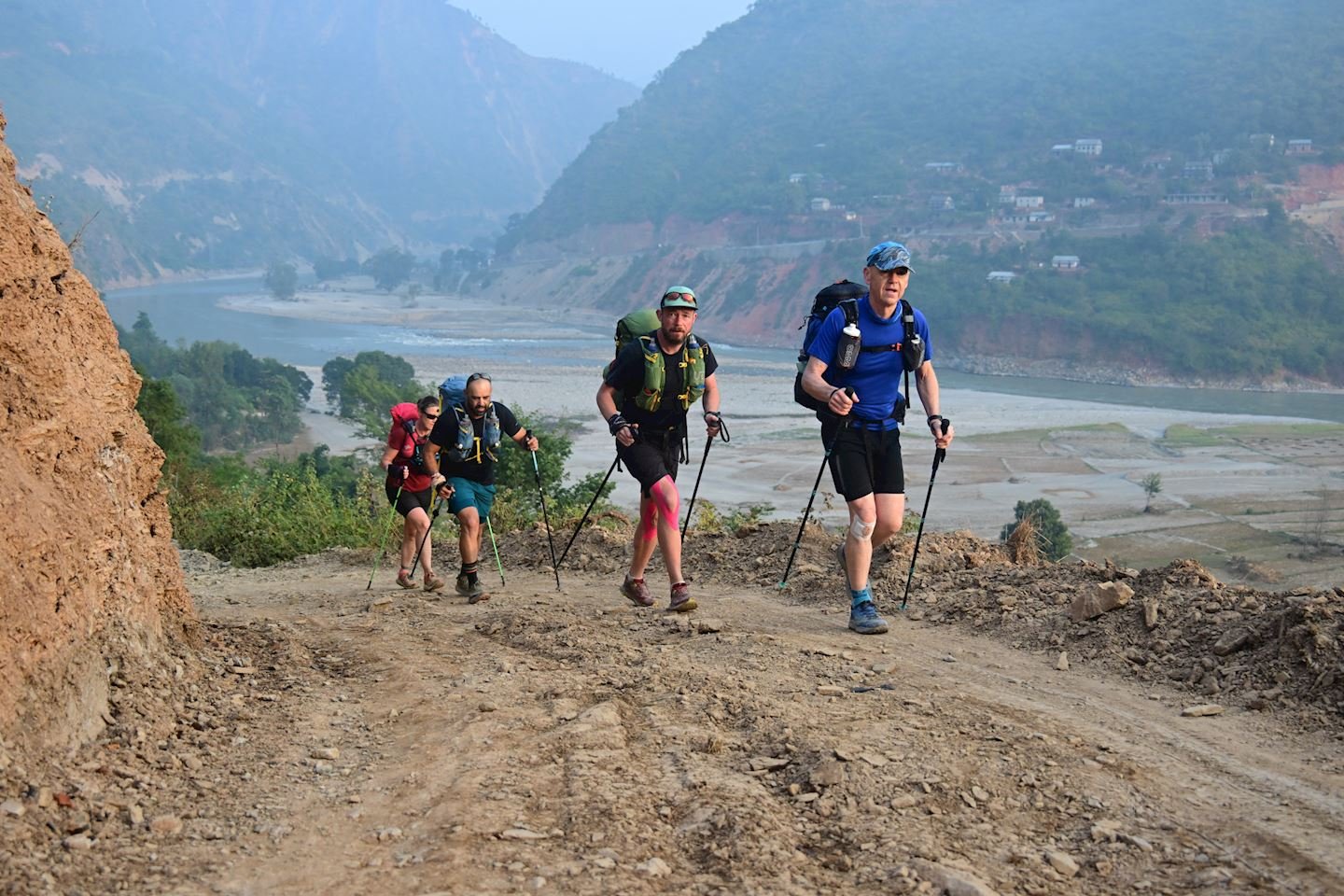
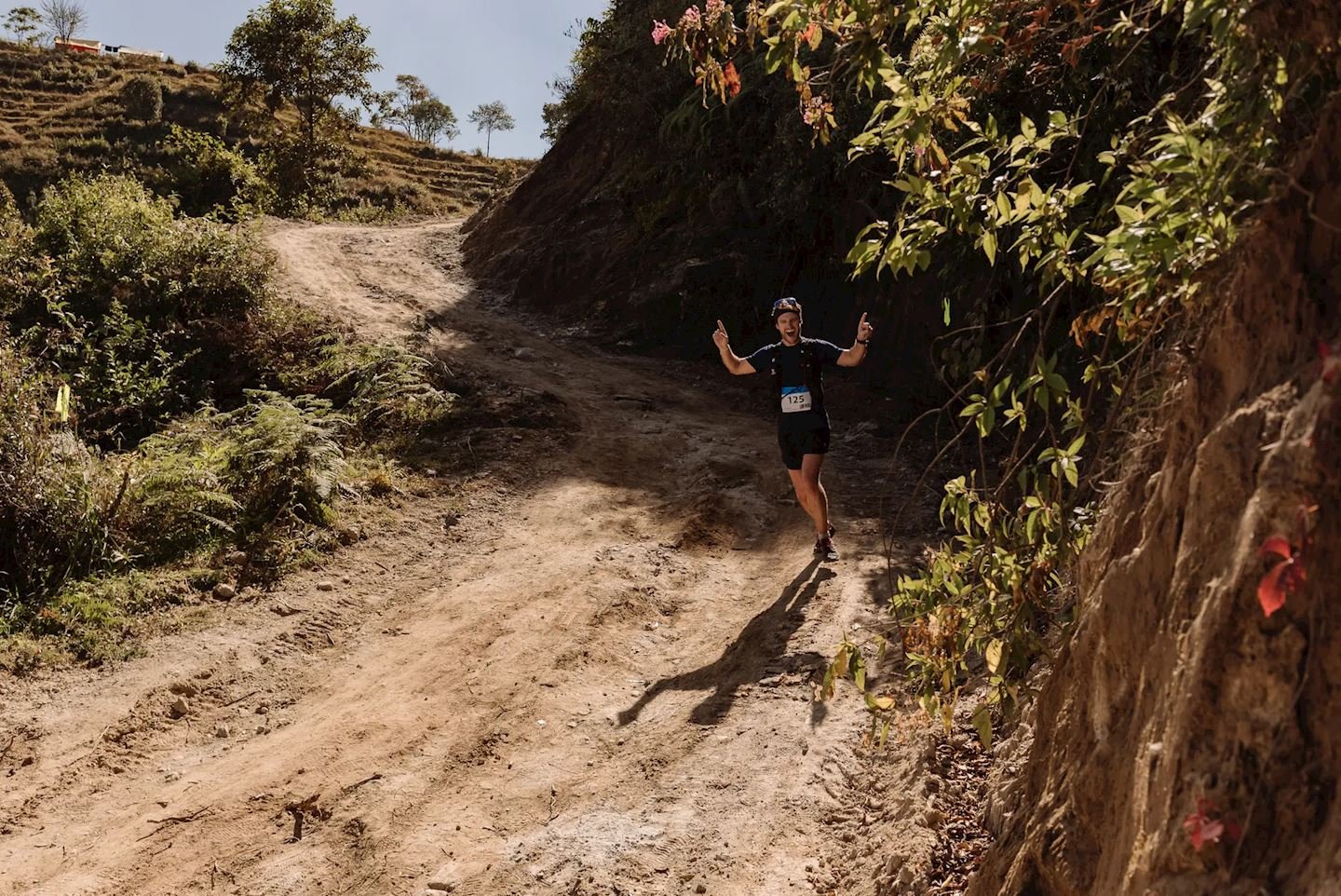
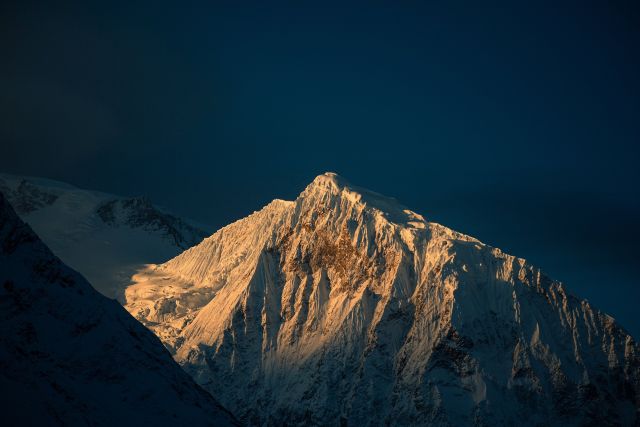
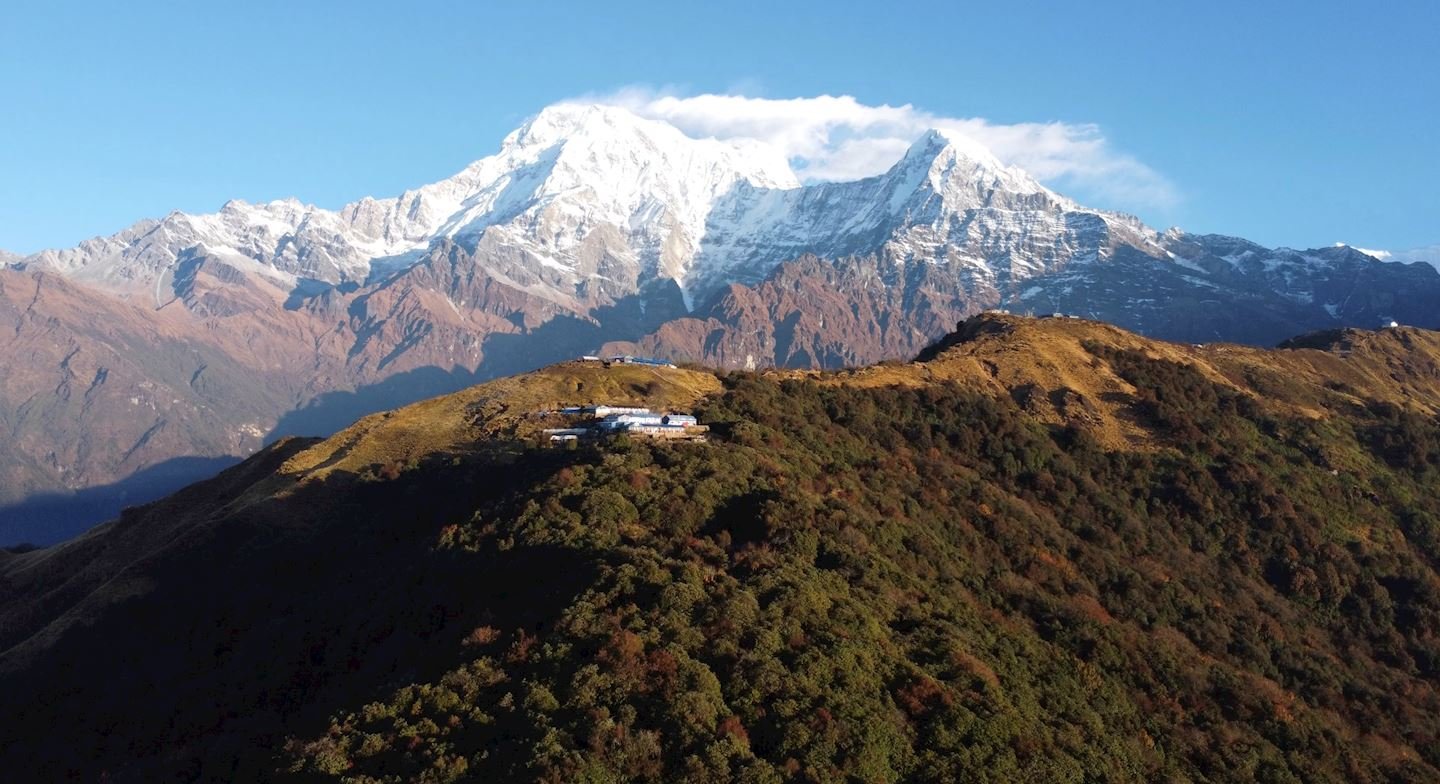
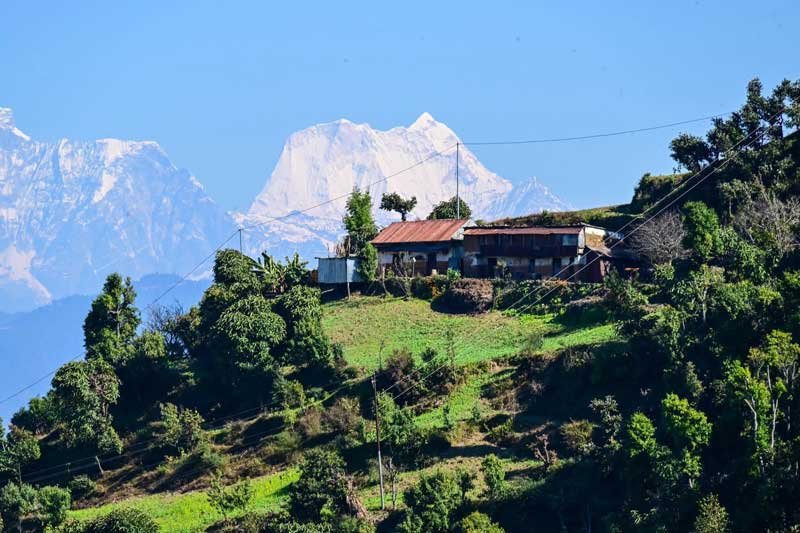
Embark on the definitive Nepalese running adventure with the Capital to Country Multi Day Ultra, a profound five-day, 120-mile journey from 23rd to 28th November 2026. This unique event blends the self-sufficient ethos of the Marathon des Sables with the majestic alpine trails of the UTMB, creating an unparalleled test across the breathtaking foothills and ancient jeep tracks of rural Nepal. Starting from the historic town of Sanku, you’ll traverse a landscape of lush forests, remote villages, and jaw-dropping Himalayan vistas, immersing yourself in a culture rarely seen by tourists. Choose your challenge: carry all your kit for the pure, hardcore experience, or opt for the supported lighter-load option. More than a race, it's a sustainable expedition that directly benefits local communities, culminating in a traditional village celebration and a monk’s blessing at dawn. With only a handful of places available, this is your call to a transformative, bucket-list ultra where every step connects you to the soul of the Himalayas.
Races Offered
Capital to Country Multi Day Ultra
Nov 23, 2026
straighten
Distance —
193.1K
terrain
Type —
Running
timer
68 days remaining
sell
€ 432.00
Weather History
These values represent the 3-year monthly averages for November in Sankhu.
thermostatTemperature
7.2° / 16.4°
wb_sunnyFeels like
5.8° / 14.6°
light_mode
Avg sunshine hours
9h 27m
water_drop
Avg rainfall
0.7 mm
ac_unit
Avg snowfall
—
air
Avg wind speed
4.0 km/h (Light breeze)
opacity
Sweat loss rate
Low
terrain
Course conditions
Firm and slightly soft
sunny
Max UV Index
Low (2.4)
humidity_mid
Humidity
81.5%
wb_twilight
Sunrise
06:24
nightlight
Sunset
17:12
About Sankhu
Learn more about the host city, Sankhu.
Sankhu is the ancient Newari town located in the north-eastern corner of Kathmandu Valley, about 17 km from the city center of Kathmandu. Mani-Yogini, one of the four Vajra Yoginis of Kathmandu Valley, resides here, and it is located along the historic trade route between Kathmandu and Lhasa. It is believed that the name Sakwa has two parts - Samdesh and Kvay, together meaning a town below Tibet.